What’s in a Word?
Wordplay hides a key to reality that the dictionary tries in vain to lock inside every free word.
—Julio Cortázar
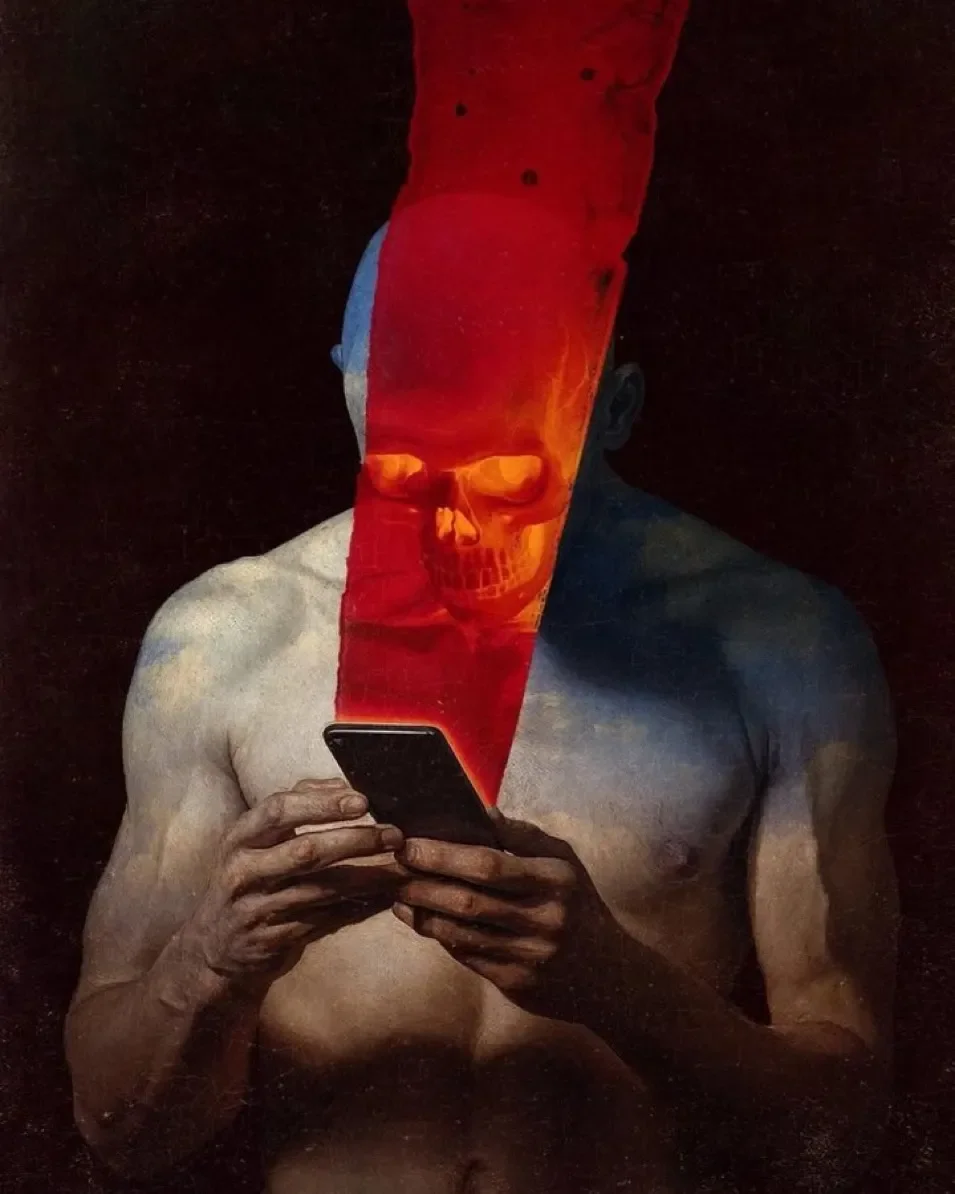
A lesson is less with two letters added.
To learn something is to be made less. Less certain, less proud, less full of the gumption you walked in with. The extra letters don’t add knowledge, but subtract obstruction. Addition is often subtraction in disguise.
English does this constantly.
Friends contains ends. Every friendship is organized around the fact that it will one day end.
Believe contains lie. Belief is Kierkegaard’s leap of faith, the structure built over the thing you just can’t prove.
Business contains sin. Commerce has always been negotiating with the nefarious thing underneath.
Funeral contains fun. Grief invented the party before it penned the eulogy.
Slaughter contains laughter. The dark joke English never apologized for.
Diet contains die. Every restriction is a small rehearsal for the final act.
Swords contains words. The pen learned its trick from the blade, and each fights for something.
Knowledge contains ledge. To know is to stand somewhere from which you could fall.
English was grown, not created. It borrowed from Latin and pillaged from Norse and stole from French and gabbed with German over centuries, and the seams show.
The hidden words are accidents of that growth.
But accidents accumulate, and consonants confabulate. The pattern is too consistent to be only coincidence and too stochastic to be only design.
Per Dave Matthews Band, the space between is where language actually lives, which is also where we live, which is why the hidden words tend to know things surface words don’t.
A lesson is less.
A friend is an end.
To believe is to leap.
The longer word is the soft tissue. The shorter word inside it is the bone. The body knows what holds it up.
You can’t spell lesson without less. The word is telling you its very cost.
Be the first to hear new White Noise. Subscribe to my free, weekly newsletter below!